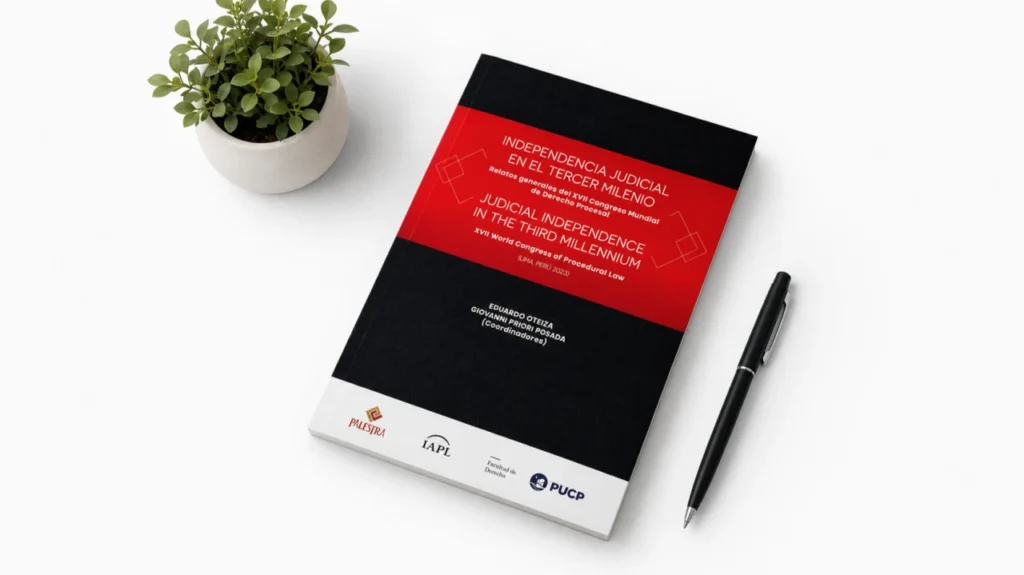
A State earns the name of constitutional State when its fundamental law achieves supremacy, normative force and, if possible, legitimacy. This includes being able to limit the actions of the other branches of government, which in turn must be able to interact with and limit one another. Accordingly, the Judiciary must have the […]
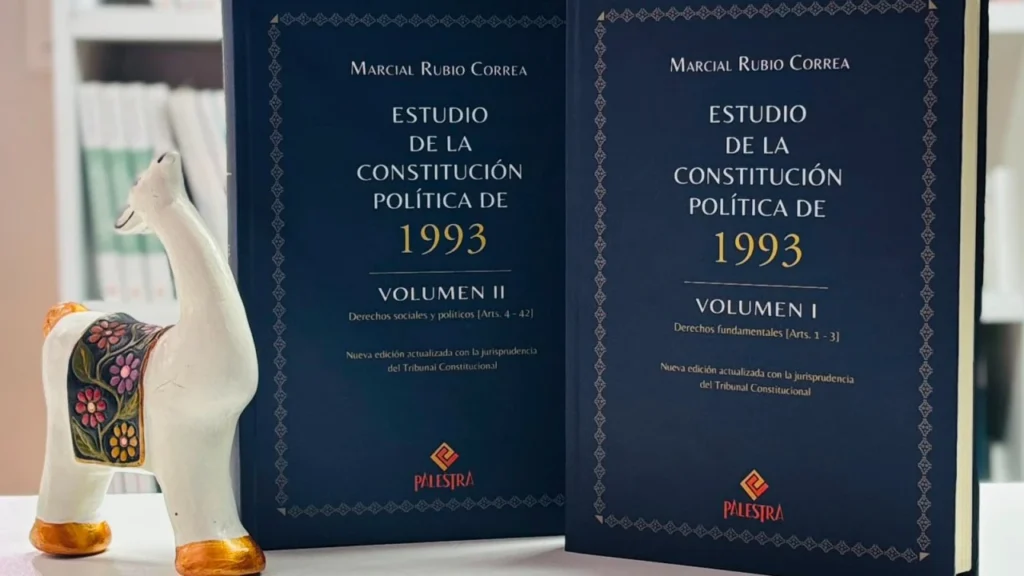
Volume I: Fundamental rights [Arts. 1 – 3] In the first volume of his work, Marcial Rubio Correa lays the methodological foundations for the study of the Constitution and rigorously examines the first three articles of the Peruvian constitutional text. From the outset he makes it clear that his purpose is not only to explain the content of […]
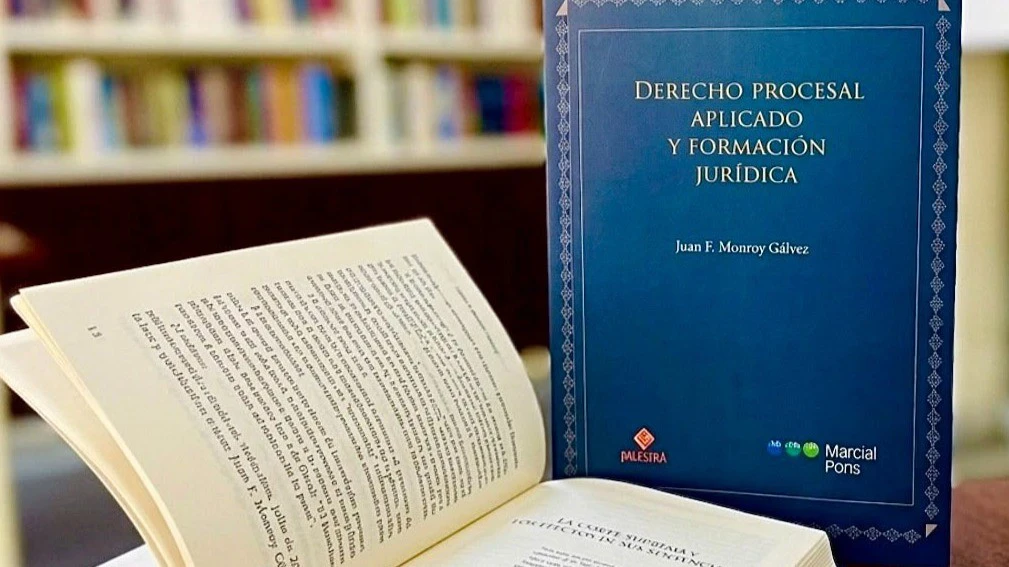
Professor Juan Monroy Gálvez presents a reference work for the Peruvian legal community: a rigorous analysis that combines the solidity of procedural theory with a critical reading of how the justice system really works. It is not a conventional textbook, but a study aimed at those who practice, teach or […]
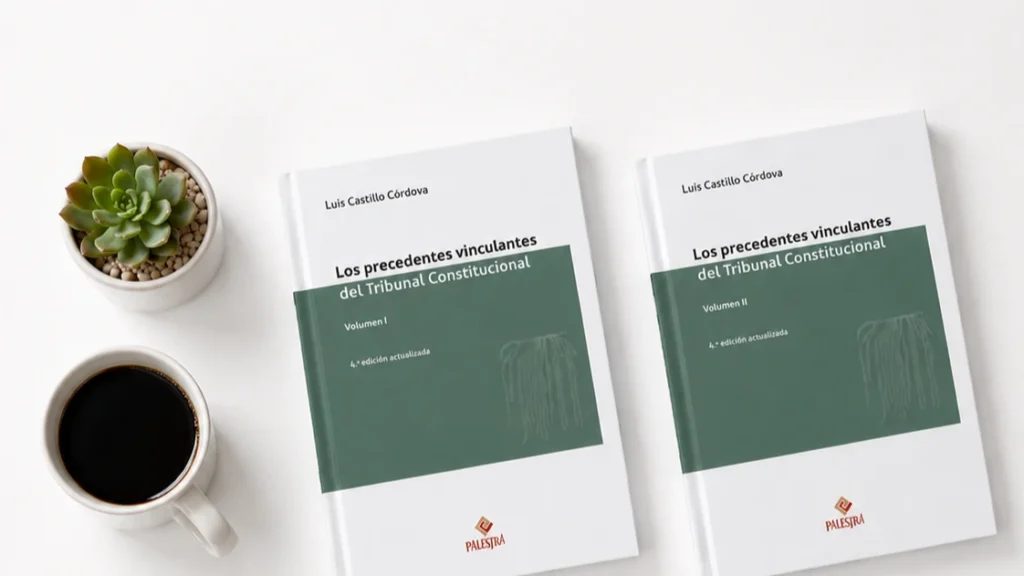
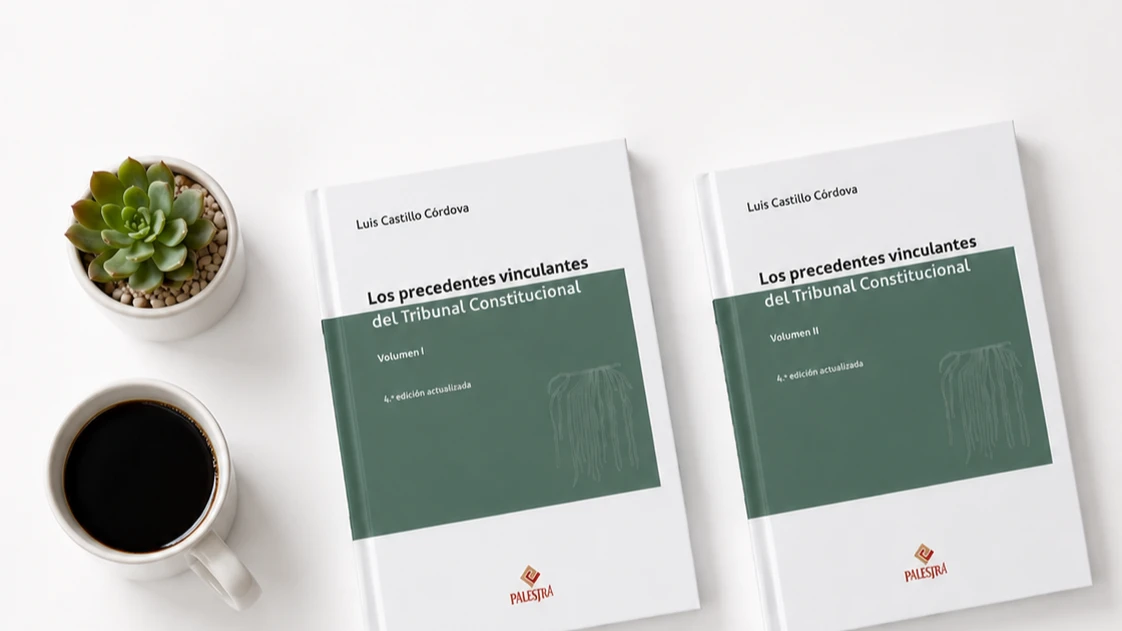
The new edition of «Los precedentes vinculantes del Tribunal Constitucional» by Professor Luis Castillo Córdova brings together, in its two volumes, the most important decisions that the Constitutional Court has declared binding. In a legal system like Peru’s, these rulings are part of the rules that every lawyer, judge or public official must apply in their daily work.